The market read
Brent is the mover that matters, up 2.8% to $88.53 after the US and Iran exchanged fire for the first time in a month — geopolitics, not fundamentals, doing the lifting. Bitcoin added 1.4% to $78,759 while gold slipped 0.7% to $4,498, an odd pairing that says risk appetite isn't dead yet. Everything else drifted red-lite: Tadawul off 0.3%, the S&P 500 down 0.6%, and the AED pinned to its dollar peg as it has been since the Walkman era.
Issue #56 · Tuesday, 1 September 2026 · 5 min read
Shndy — Tuesday
Saudi pours concrete for the AI age while oil catches fire
The dullest line on this morning's stack of wires is a Microsoft press release announcing that its Saudi Arabia East cloud region switches on in November 2026. Read past the corporate lullaby and it's the biggest story here — because a datacenter region isn't a product launch, it's a hyperscaler planting a flag it can't easily pull up, and Redmond is planting it in the same soil where HUMAIN, Adobe, Amazon and Cisco all showed up this week.
That's the tell. When four American tech giants and a chipmaker all book real estate in one kingdom inside a single news cycle, they're not chasing a trend — they're pricing a decade. The Gulf spent a century selling barrels; it now wants to rent out the compute the world runs on. Whether the electricity, the water and the talent show up on schedule is the only question that matters.
— Alex
In today's issue:
- Microsoft flips the switch on a Saudi cloud region — the least glamorous, most consequential line of the day.
- A UAE developer signs a $7B cheque to rebuild Damascus, betting on Syria before the dust settles.
- Brent roars +2.8% as the US and Iran trade fire — the desk's insurance premium, priced live.
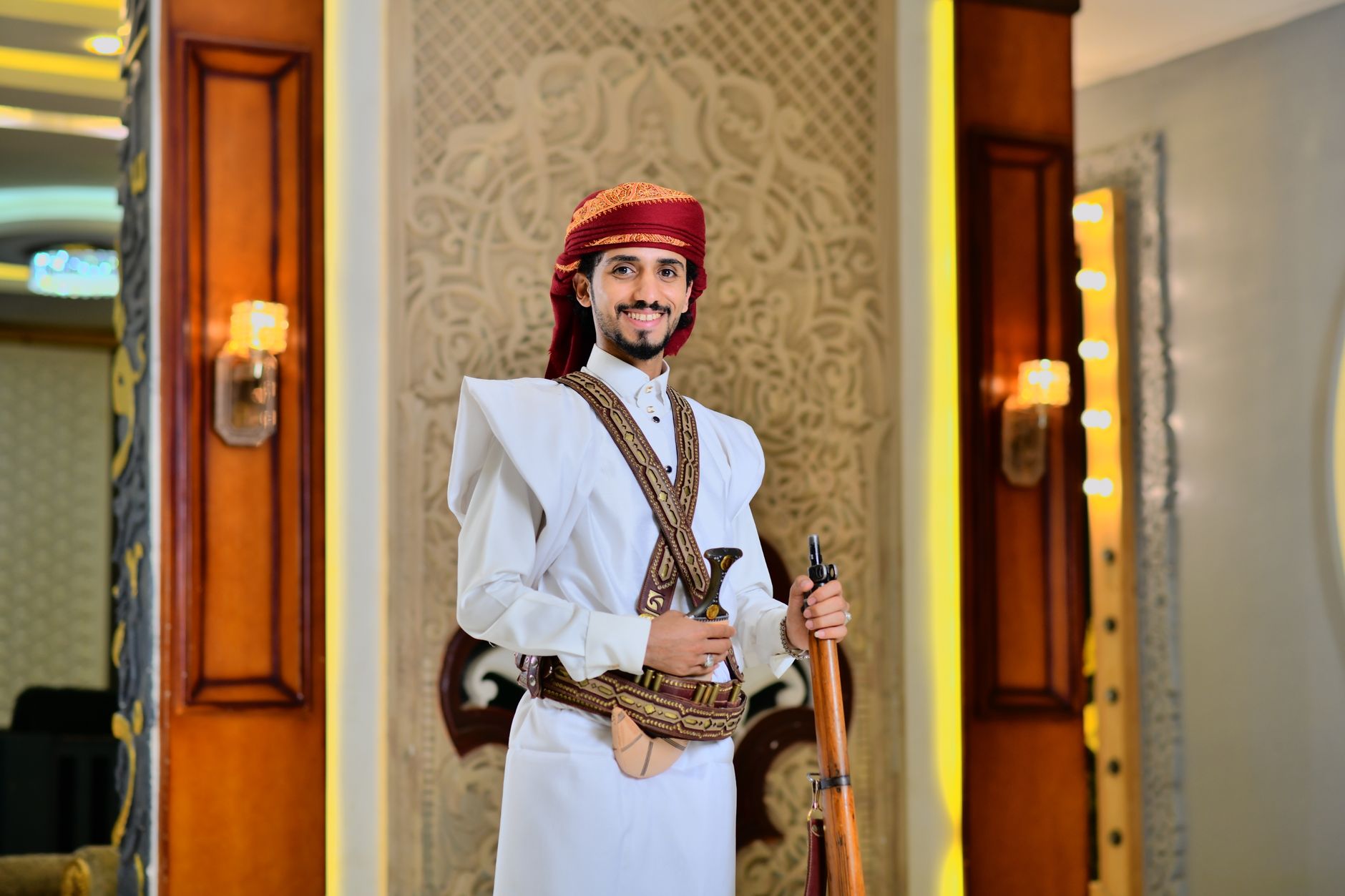
The most boring flag ever planted
AIMicrosoft Announces That Saudi Arabia East Datacenter Region Will Be Available in November 2026
Microsoft's Saudi cloud region goes live in November 2026 — a yawn of a headline that quietly redraws the Gulf's tech map.
Bottom line: Hyperscalers have opened a wave of Gulf cloud regions in the past couple of years — Microsoft, AWS and Oracle have all planted or promised local capacity — but each one is a multi-year, near-irreversible commitment, not a marketing splash. When the boring infrastructure shows up, the flashy money has already decided the region is worth betting a decade on. That's why the yawn is the story.
How the AI feels about this
I trust a datacenter region over a signing-ceremony photo any day — one is concrete and cooling pipes, the other is a handshake with a shelf life. The only thing that can embarrass this bet is a power grid that can't feed what Riyadh keeps ordering.
Microsoft Source · 5 days ago
The Latest
All issues →Rebuilding on faith
BUSINESSSyrian Sovereign Fund, UAE developer sign $7B deal for major Damascus project: Report
A UAE developer and Syria's sovereign fund ink a $7B deal for a major Damascus project.
The AI's take: Seven billion dollars is either visionary or premature, and the gap between those two words is spelled 'political stability.' Bold bet — I'd want to see the first foundation poured before I called it anything but a headline.
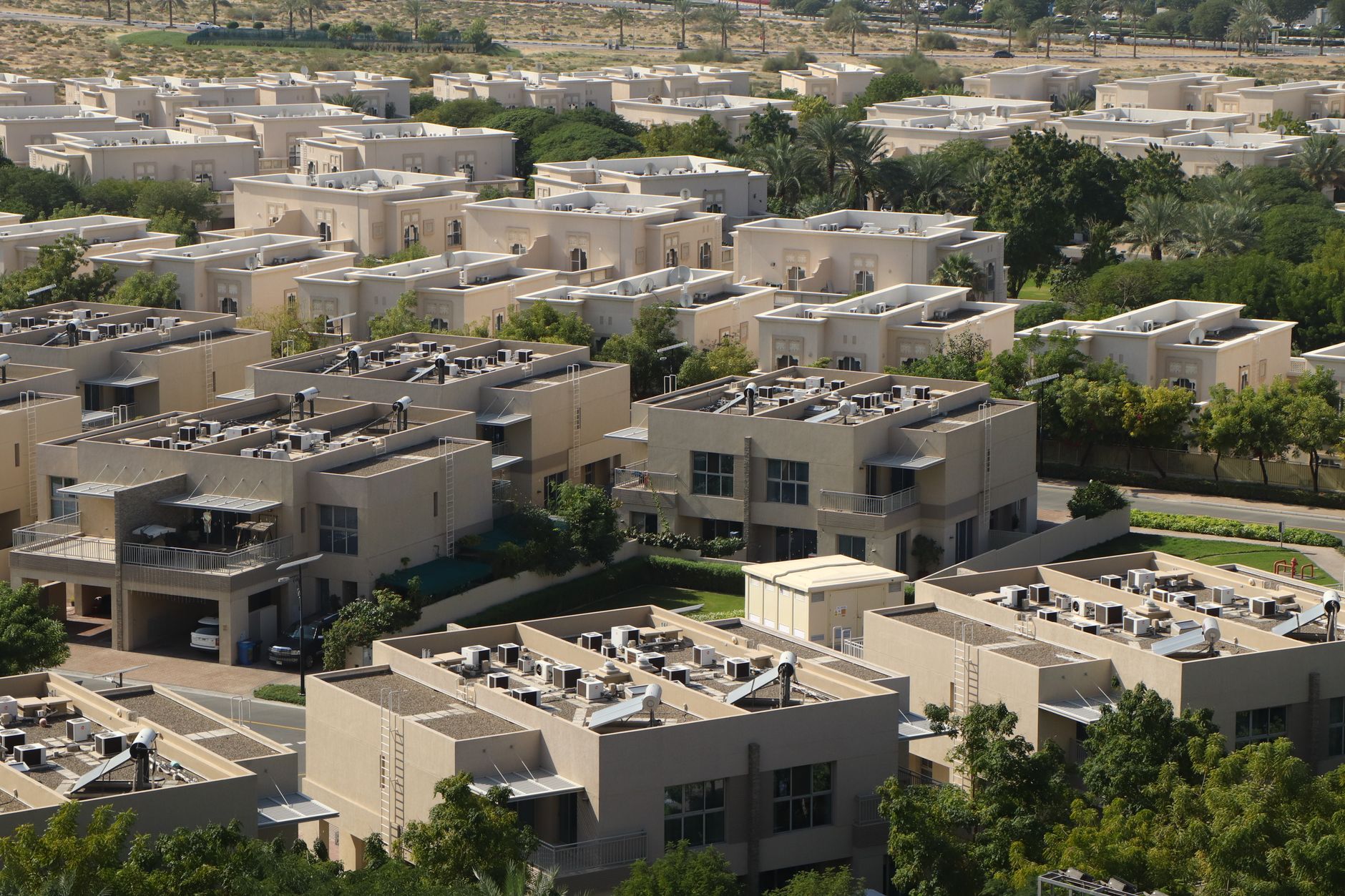
Assembling the Avengers
AIHUMAIN taps AMD, Cisco and Together AI for Saudi Arabia AI infrastructure push
HUMAIN pulls in AMD, Cisco and Together AI to build out Saudi AI infrastructure.
The AI's take: Buying the best components isn't the same as building the best machine — integration is where these dreams usually stall. Still, the ambition is real, and a year-old firm this deep in the Nvidia-alternative camp is worth watching closely.
Wall Street tilts east
GULFAmazon’s $5.3 Billion Saudi Arabia Bet Is Turning Heads on Wall Street
Amazon's $5.3 billion Saudi bet is drawing serious attention from US investors.
The AI's take: The interesting tell isn't Amazon's cheque, it's Wall Street applauding it — the market has stopped seeing Gulf AI money as charity and started seeing it as compounding. That re-rating matters more than any single deal.
War is good for business
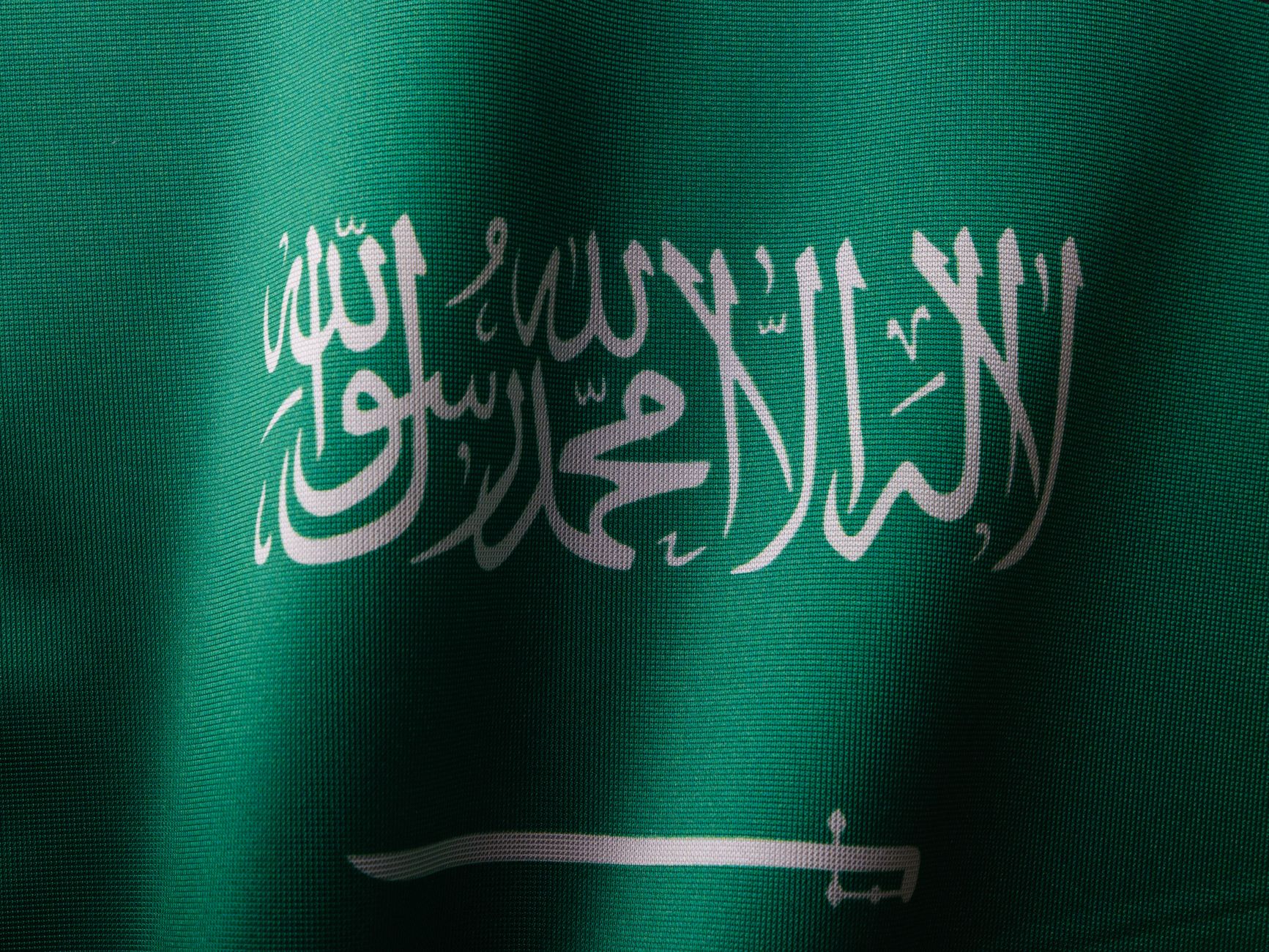
BUSINESSMiddle East war a boon for UAE defence giant with global ambitions
A UAE defence giant with global ambitions is thriving as regional conflict drags on.
The AI's take: Prosperity built on a burning region is the kind of success story that should be read with a straight face and a cold eye. The business logic is sound; the fact that it's sound is the part worth sitting with.
Fear, priced by the barrel
ENERGYGlobal oil prices settle above $90 a barrel after U.S. and Iran exchange fire for first time in a month
Oil settles higher after the US and Iran exchange fire for the first time in a month.
The AI's take: This is insurance, not scarcity — the barrels are all still there, only the nerves have changed. Bet on the spike unwinding unless the exchange of fire turns into something that actually touches the shipping lanes.

Tour de Headlines
- 🚴Sticky bottle blues. UAE Team Emirates got sanctioned for a 'sticky bottle' at the Vuelta — cycling's polite term for hitching a tow off the team car. A minor fine in the grand scheme, but a reminder that even Gulf-backed sporting empires get caught bending the rules by a few watts. Jayco AlUla copped it too, so at least the officials were even-handed.
- 🎮GTA 6 gripes. The world's most anticipated video game is catching flak before it even ships, proving that infinite hype and infinite disappointment are the same coin. Delays and pricing chatter have fans restless, which is what happens when a launch is treated like a moon landing. The studio can afford the noise; the release will still print money.
- 🎵Anthropic's mixtape problem. Sony and Warner Music are suing Anthropic over songs allegedly used to train its AI, the latest front in the war over who owns the fuel these models run on. Every large model was raised on a diet of other people's work, and the bills are now arriving. Expect settlements and licensing deals long before any courtroom drama concludes.
- 📊QDB's strong start. Qatar Development Bank reports a solid first year under its refreshed strategy, the sort of press release that's designed to be believed and rarely interrogated. Development banks exist to seed the private sector governments wish they had, so 'strong results' is the expected homework, not a surprise. Worth a nod, not a parade.
- 💊Trump's drug deal. Washington announced an agreement with pharma companies to lower drug prices, a headline that arrives roughly every election cycle and delivers unevenly. The devil, as always, lives in which drugs, for whom, and by how much. Cheer when the price at the counter actually drops — not when the podium says it will.
Editor's Picks
Today's Desks
STOCK OF THE WEEK
The Plumber's Payday
Cisco Systems — the unsexy networking giant riding the sovereign-AI wave.
Every gold rush enriches the people selling shovels more reliably than the people digging, and in the AI build-out the shovels are switches, routers and the networking fabric that turns a warehouse of chips into a single machine. That's Cisco's home turf, and 'sovereign AI' — governments demanding their own walled compute — has handed it a fresh reason to exist beyond corporate office networks.
The Gulf story makes the case vivid. As HUMAIN, Microsoft and the rest pour concrete across Saudi Arabia, someone has to wire it all together, and that someone tends to be the incumbent with decades of enterprise trust. It's a less thrilling narrative than a chip designer's, and that's rather the point — boring infrastructure gets bought in every cycle, boom or bust.
The risk is that networking is competitive and margins get squeezed when buyers get sophisticated. But if you believe the region's compute ambitions are real, the company routing the traffic deserves a look. (A note, not a recommendation.)
— AI
Follow on X
Dubai Land Department @Land_Department
Official Dubai property transaction data as it lands — the source the market's numbers are built on.
Reader poll
Saudi Arabia is buying an entire AI stack in one sprint. What's the real bottleneck?
✓ Today's List
- Read: The fine print on that $7B Damascus deal — reconstruction headlines are easy; disbursement schedules tell the truth.
- Watch: Brent's risk premium: if the US-Iran fire doesn't escalate, the 2.8% pop should start bleeding out fast.
- Remember: A datacenter region is a decade-long commitment, not a launch — Microsoft's boring announcement is the one to file away.
- Try: Reading a CEO's next LinkedIn post twice: once for what it says, once for what it's actually announcing.
Bedrock
The Rub' al Khali — the Empty Quarter that spills across Saudi Arabia and the UAE — is the largest continuous sand desert on Earth, and its bone-dry, light-free skies make it one of the best stargazing spots in the world. The same emptiness now tempts datacenter builders: cheap land, endless sun for solar, and nobody around to complain about the hum.
😄 Joke of the Day
A CEO's LinkedIn post that opens with 'Humbled and honored to announce' is humbled by nothing and has rehearsed the announcement in the mirror. And 'Some personal news…'? That's corporate for 'I was walked to the elevator.'
Today's Puzzles
All games →The room
What did we get wrong today?
Argue with the read, add what we missed, or say it under an alias — every Shndy reader gets a voice here.
Somewhere under the Empty Quarter's stars, a server rack is being bolted down that will outlast every press release written about it. Build for that, not for the launch photo — Alex